separation hydrometallurgy of rare earth elements
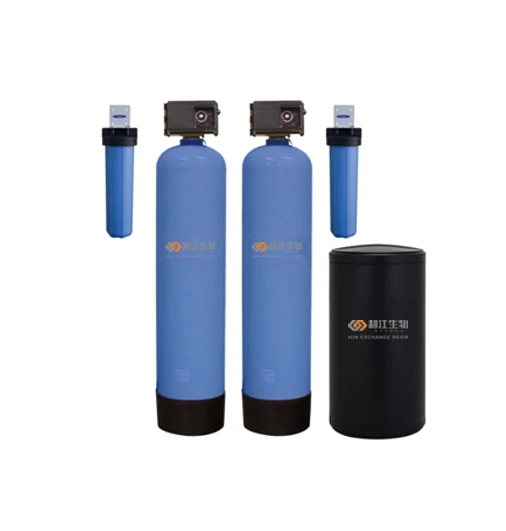
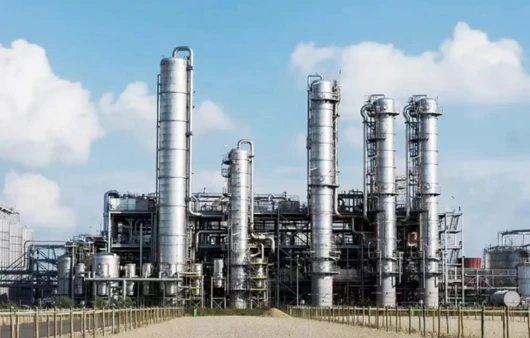
Separation Hydrometallurgy of Rare Earth Elements: Why It Matters More Than Ever Rare earth elements (REEs) are the unsung heroes of modern technology — from smartphones and electric vehicles to wind turbines and medical imaging devices. But getting these elements in a usable form? That’s where the separation hydrometallurgy of rare earth elements really shines. It’s a complex but crucial process that ensures these metals can be efficiently extracted, purified, and supplied to industries worldwide. Globally, understanding this process is more than just academic curiosity. It’s a strategic matter tied to technological advancement, economic competitiveness, and even geopolitical stability. By mastering separation techniques, countries and companies alike can reduce reliance on imports, lower environmental footprints, and enable a sustainable supply chain for future innovation. A Global Context: Why Separation Hydrometallurgy of Rare Earth Elements Is Front and Center If you glance at global trade data, you’ll see how concentrated rare earth element production is — over 60% historically dominated by China (source: USGS, 2023). Given REEs’ importance in clean energy tech and defense applications, securing supply chains has become a global priority. Countries in Europe, the US, and even Australia have ramped up investments to develop better hydrometallurgical separation methods. Near the UN’s sustainable development goals, green technologies heavily depend on efficient REE processing. Yet challenges abound: environmental concerns over mining waste, highly efficient separation requirements for purity, and cost pressures from fluctuating markets. The separation hydrometallurgy of rare earth elements offers a pathway to tackling these issues. Mini takeaway: Rare earth element supply is critical for modern tech and energy. Separation hydrometallurgy enables efficient, sustainable extraction. Geopolitical and environmental factors drive innovation in this field. What Exactly Is Separation Hydrometallurgy of Rare Earth Elements? Simply put, it’s a chemical process used to separate and purify rare earth elements from ores or recycled materials using aqueous solutions. Unlike pyrometallurgy, which relies on high temperatures, hydrometallurgy uses water-based chemistry—leaching, solvent extraction, precipitation, and ion exchange—to isolate the target metals. Because many REEs occur together in similar mineral forms, their separation is notoriously tricky. Hydrometallurgical techniques exploit subtle differences in the chemistry of each metal, making it possible to get the right element into a pure enough form for downstream use. The impact? With cleaner, more efficient separation, industries can rely less on raw imports and more on recycling or local sources. This directly feeds innovation in things like electric vehicle batteries or high-performance magnets — literally powering our future. Mini takeaway: It’s a water-based chemical separation process for rare earths. Works by exploiting subtle chemical differences amid mixed ores. Enables sustainable sourcing and supports tech development. Core Aspects of Separation Hydrometallurgy in Practice 1. Selectivity and Purity Achieving high selectivity is a real art. Many engineers say that even a tiny impurity can ruin the performance of an REE-based magnet or catalyst. The chemistry must be tuned just right to separate, say, neodymium from cerium or dysprosium from terbium. 2. Scalability Laboratory methods don’t always scale well to industrial volumes. Successful hydrometallurgy requires processes that remain cost-effective and reproducible at tons-per-day scale without losing separation precision. 3. Cost Efficiency Solvent reagents and energy consumption make up much of the cost. Innovations in reagent recycling, temperature control, and leaching conditions help keep prices manageable. 4. Environmental Impact Since hydrometallurgy involves acids and solvents, managing effluents and minimizing toxic waste matter a lot. Modern techniques are leaning towards greener chemicals and closed-loop systems. 5. Integration with Recycling Hydrometallurgical methods are well suited for recycling rare earths from electronic waste, reducing the dependency on mining and the associated ecological footprint. Mini takeaway: Separation demands precision, scale, cost control, and eco-consciousness. Recycling integration is becoming a major opportunity. Fine-tuning these factors is key to commercial success. Global Applications & Real-World Use Cases From rare earth mines in Inner Mongolia to sophisticated recycling plants in Europe, hydrometallurgical separation is everywhere. The automotive industry, pushing electric vehicles, depends heavily on pure neodymium and dysprosium. Wind turbine manufacturers require samarium-cobalt magnets free of contaminants. Additionally, post-disaster infrastructure rebuilding often leverages portable recycling units that use hydrometallurgy to recover REEs from scrap electronics. Remote industrial zones benefit when local ores are processed with minimal environmental disturbance. On the policy front, organizations like the International Atomic Energy Agency (IAEA) and ISO provide standards that influence best practices, ensuring that global markets maintain quality and safety. Sample Product Specification Table: Hydrometallurgical Sorbent Resin Parameter Specification Unit Particle Size 250–350 μm Ion Exchange Capacity 2.1 meq/mL Operating pH Range 2.0–6.0 – Maximum Temperature 60 °C Chemical Stability Good – Comparing Top Vendors in Hydrometallurgical Separation Technologies Company Core Technology Sustainability Focus Geographic Reach Lijiresin Tech Advanced ion-exchange resins Closed-loop solvent recycling Global with focus Asia, EU RareMet Solutions Solvent extraction systems Low-emission process design North America, Europe EcoRare Extracts Bio-based leaching agents Green chemistry emphasis Asia-Pacific Advantages & The Long-Term Value of Hydrometallurgical Separation What stands out most is this mix of reliability and sustainability. It's not just about getting the metals out; it’s about doing so responsibly, cost-effectively, and without sacrificing quality. The process supports circular economies, enabling industries to recycle rare earths from old electronics instead of pushing new mines — a real win for the environment. Then there’s the emotional side — countries feeling more secure in their tech supply chains, innovators trusting that materials meet strict specs, and consumers benefiting from more stable prices and greener products. It feels like a quiet revolution, geared towards tomorrow’s tech but anchored solidly in practical, today’s needs. Future Trends: What’s Next for Rare Earth Separation? Automation & AI: Smart sensors and AI are helping optimize solvent extraction in real-time, reducing waste and downtime. Green Chemistry: Development of less toxic leaching agents and recyclable solvents is a growing trend. Nanotechnology: Researchers explore nanomaterials to improve separation specificity and speed. Policy & Standards: Increasing regulatory pressure will push for cleaner and safer processes worldwide. Challenges & How Experts Are Tackling Them The process isn’t without pain points: handling hazardous chemicals, achieving scalability without quality loss, and managing large volumes of waste liquids. But breakthrough research in solvent design, membrane technologies, and bioleaching is showing promise. Collaboration between governments, academia, and industry is key to overcoming these hurdles — and it's encouraging to see this happen more and more. FAQ: Answering Your Burning Questions Q: How does hydrometallurgy compare to pyrometallurgy in rare earth extraction? A: Hydrometallurgy offers more precise separation with lower energy use, while pyrometallurgy relies on high temperatures often leading to more emissions. Both have roles, but hydrometallurgy is favored for cleaner, scalable purification. Q: Can hydrometallurgical processes handle recycled electronics rare earths? A: Yes, these processes are increasingly adapted to treat e-waste, recovering valuable REEs efficiently and reducing mining reliance. Q: What’s the typical purity level achievable for separated REEs? A: Purities above 99.5% are achievable, critical for high-performance applications like magnets and catalysts. Q: Is this separation process environmentally hazardous? A: While chemical waste is a concern, advances in closed-loop systems and greener solvents greatly minimize environmental impacts. Q: How long does a hydrometallurgical separation cycle usually take? A: It varies but typically ranges from a few hours to a full day, depending on scale, materials, and process design. Wrapping Up: Why Pay Attention to Separation Hydrometallurgy? The separation hydrometallurgy of rare earth elements is quietly transforming how we source the backbone of modern technology. It’s a blend of chemistry, engineering, and even geopolitics converging to make our tech ecosystem more resilient, eco-friendly, and innovative. If you’re eager to dive deeper or explore solutions, check out separation hydrometallurgy of rare earth elements for a closer look at industry-leading innovations and expert insights. After all, powering tomorrow’s tech depends a lot on getting the rare earths just right today. References USGS Rare Earth Statistics Hydrometallurgy - Wikipedia United Nations Sustainable Development Goals
-
 Strong R & D Capability And Experienced Technical Team
-
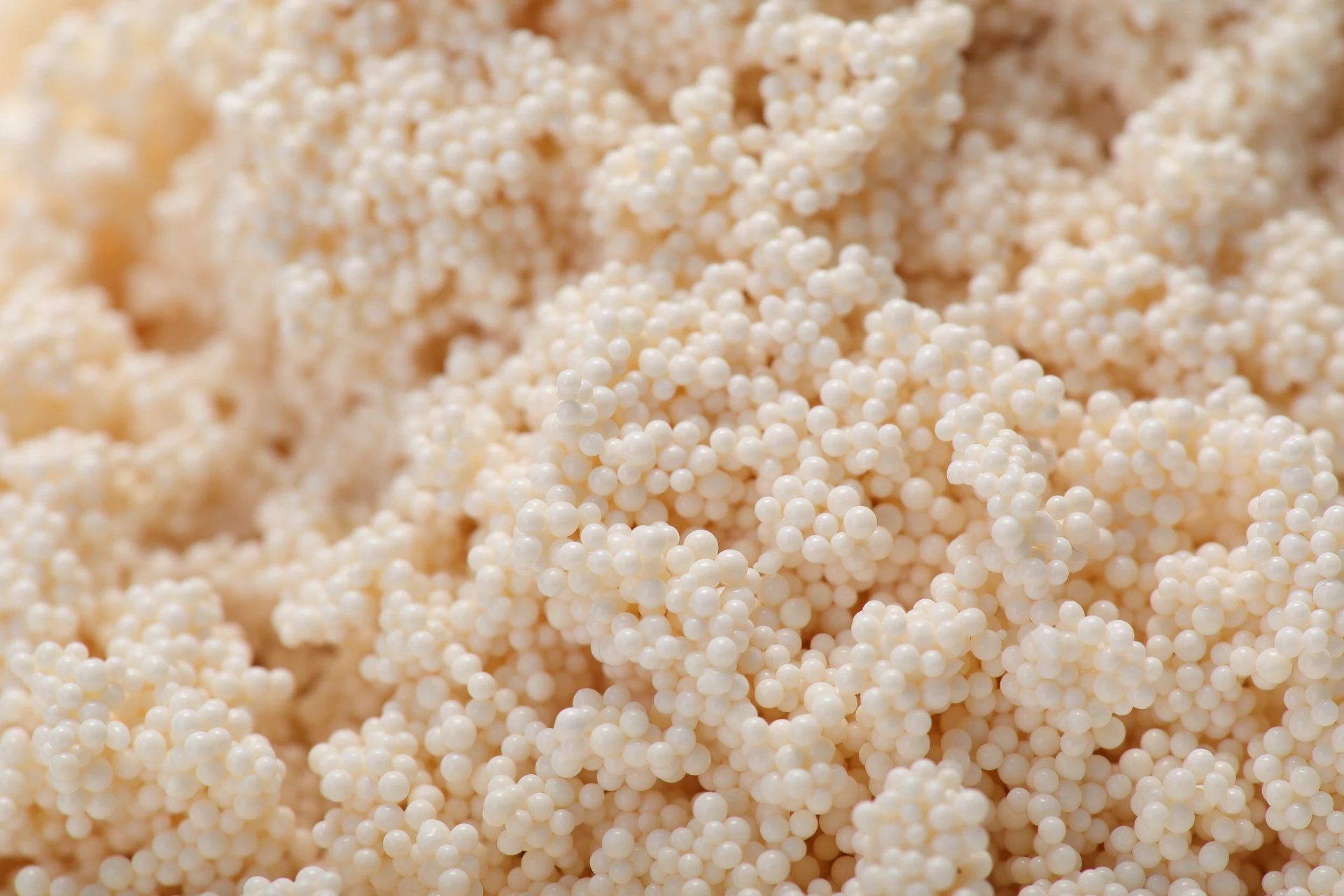
Provide Customers With Competitive And Differentiated Products